Survival Analysis
Time-to-event data come with censoring, competing events, and long follow-up. We develop regression methods for these data and apply them in clinical and public health studies.
What we study
Statistical methods and their applications, from theory to real data.
We develop statistical methods and use them on real data. Our work spans survival analysis, high-dimensional statistics, quantile regression, Bayesian modeling, and machine learning, with applications in health, biology, and the environment. Most projects start from a real question and end as a software package that others can use.
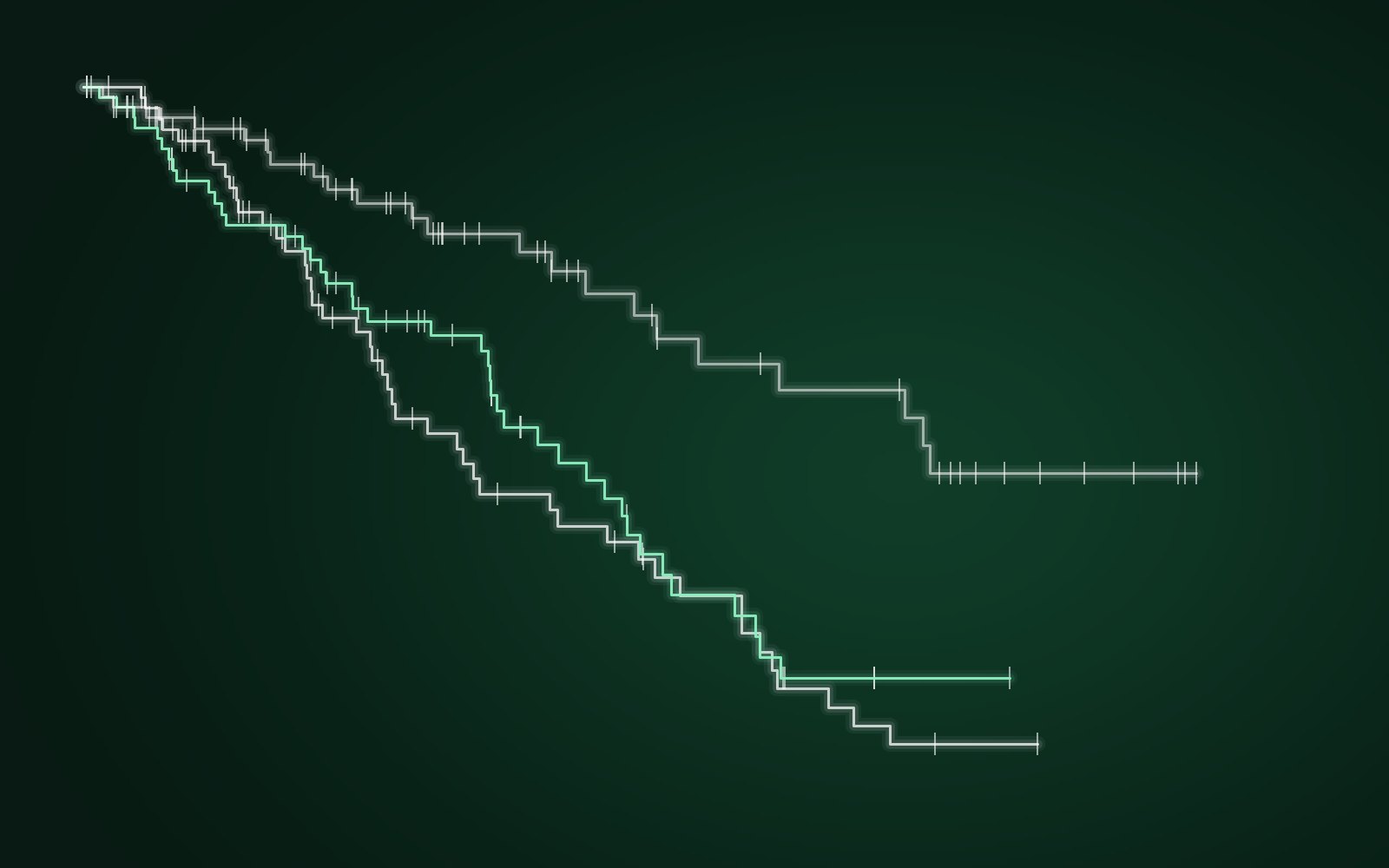
Time-to-event data come with censoring, competing events, and long follow-up. We develop regression methods for these data and apply them in clinical and public health studies.

Modern data often have far more variables than samples. We work on variable screening, selection, and inference that stay reliable in this setting.

Quantile regression shows how covariates affect the lower, middle, and upper parts of an outcome. We work on its theory, computation, and use with complex data.

Bayesian models give a natural way to describe uncertainty and to build flexible structure, such as spatial dependence. We work on Bayesian models and fast computation so they scale to real data.
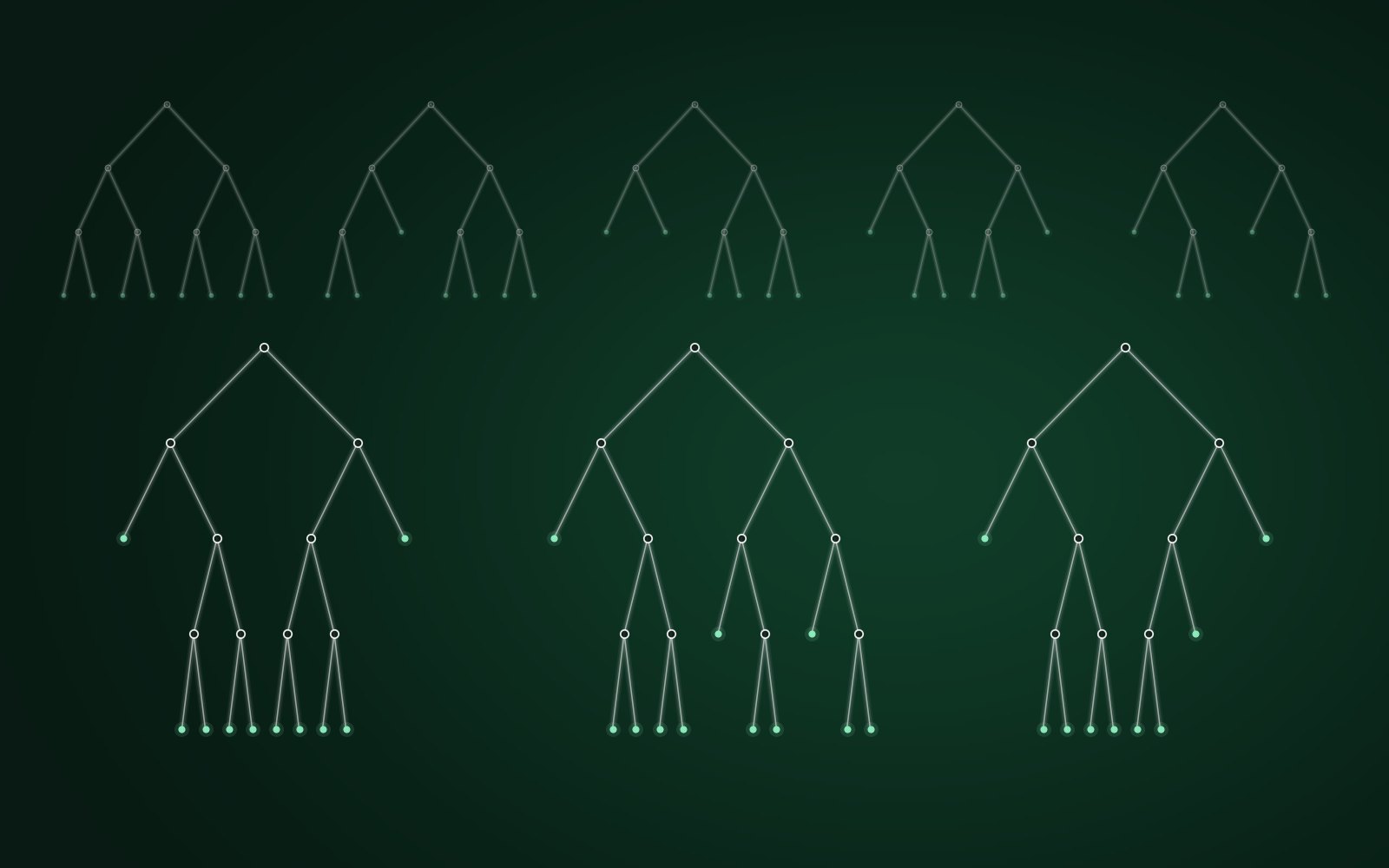
We use machine learning inside statistical frameworks, so that flexible models help answer well-defined scientific questions with honest uncertainty.
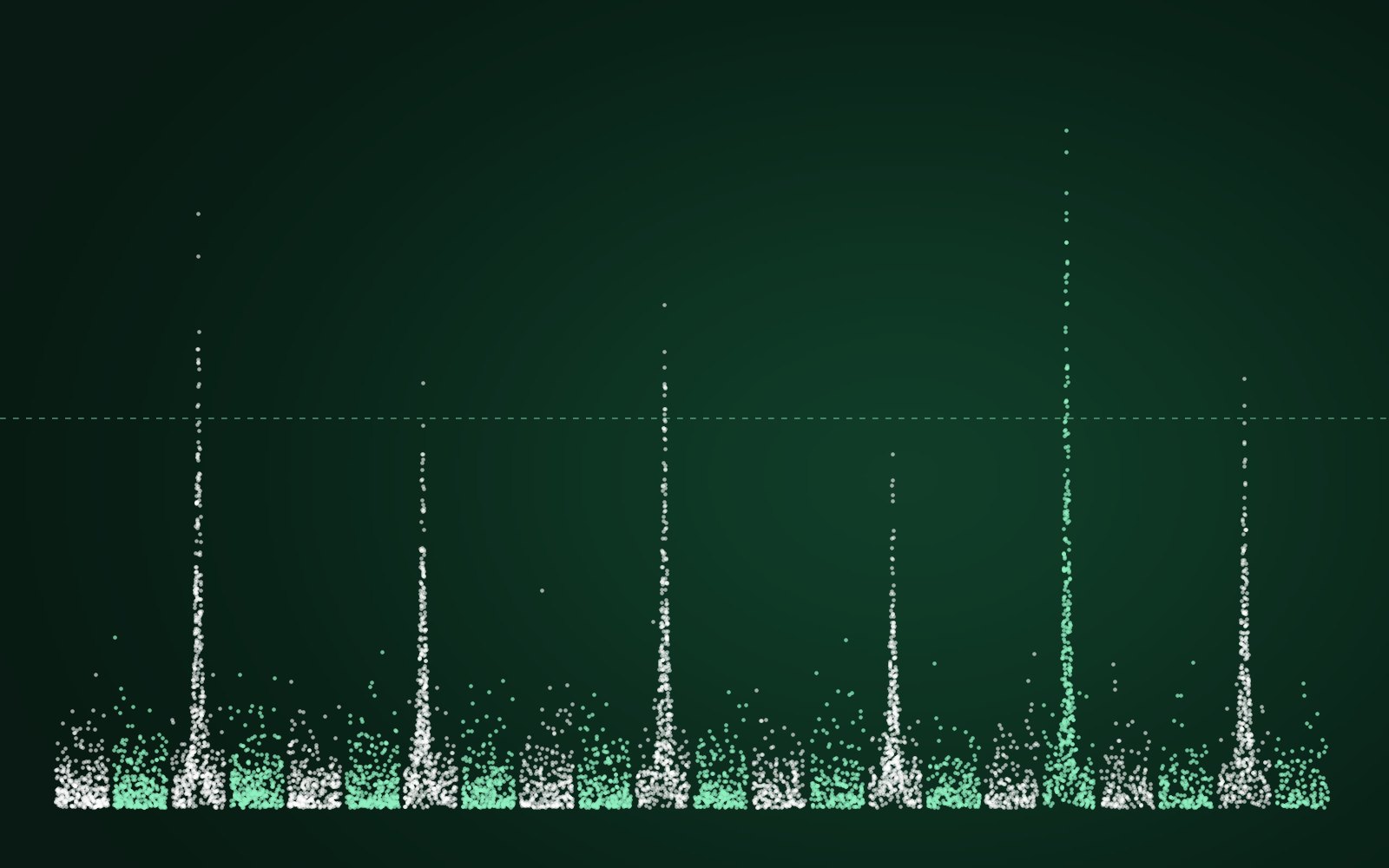
We work with researchers in medicine, public health, and biology, bringing statistical methods to real problems such as cancer, aging, and nutrition.
Questions about our work, a collaboration, or joining the lab? We would like to hear from you.